Introduction
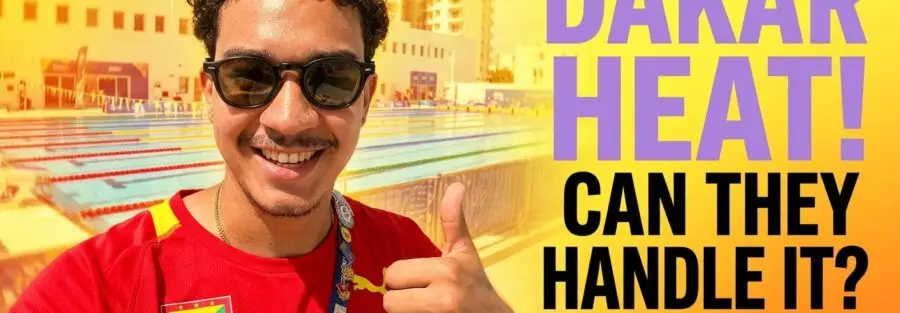
The world of international competitive sports is often defined by more than just the final score. It is defined by the grit, the travel, and the ability to adapt to environments that are worlds away from home. Recently, we caught up with Justin Steele, a dedicated swimming coach for the Grenada national team, as they touched down for the highly anticipated Dakar 2026 Youth Olympic Games. While the excitement is palpable, the challenges are equally significant.
Representing a nation like Grenada on the global stage is a point of immense pride, but it requires navigating logistical and environmental hurdles that test even the most seasoned athletes. From the heat of coastal West Africa to the grueling hours spent in transit, Coach Steele gives us an inside look at how the team is preparing to leave everything in the pool.
Adapting to Extreme Environmental Conditions
One of the first things Coach Steele noted upon arrival in Dakar was the intensity of the weather. Senegal sits on the western edge of the Sahel, and even as the rains retreat in November, the conditions are proving to be particularly demanding. Steele described the environment as having “some extreme conditions,” primarily focusing on the stifling heat that can quickly sap an athlete’s energy if not managed correctly.
For swimmers, the ambient temperature and humidity don’t just affect them while they are outside the water; they impact their recovery, their hydration levels, and their overall stamina. When the air is “very hot,” the body has to work twice as hard to cool itself down. Steele’s primary concern is ensuring that the athletes can manage these conditions without letting the heat dictate their performance.
Strategies for Heat Management
- Consistent Hydration: Maintaining electrolyte balance is crucial when competing in high-humidity environments to prevent cramping and fatigue.
- Acclimatization: Getting to the venue early allows the athletes’ bodies to adjust to the local humidity and temperature.
- Mental Toughness: Acknowledging the heat but refusing to let it become a mental barrier is a hallmark of the Grenadian spirit.
The Toll of International Travel
Dakar is a long way from the Caribbean. Coach Steele highlighted that it was “quite a long way to travel,” which is an understatement when considering the multiple flight legs and time zone shifts involved. For an athlete, travel isn’t just about sitting on a plane; it’s about managing jet lag, muscle stiffness, and the disruption of training rhythms.
Crossing the Atlantic and shifting several time zones can lead to “travel fatigue,” a physiological state that can diminish reaction times and explosive power. However, despite the thousands of miles covered, the report from the camp is overwhelmingly positive. Steele noted that “everybody is in good spirits,” which is a testament to the culture he and the rest of the coaching staff have built within the Grenada delegation.
The Power of Team Morale
In high-stakes sports, your mental state is often your greatest asset. Coach Steele emphasized that the team’s “good spirits” are the engine driving them forward. When conditions are extreme, and the journey has been long, a team that stays positive is a team that performs. This sense of camaraderie and resilience is what allows the athletes to focus on the task at hand rather than the discomfort of the environment.
Steele’s coaching philosophy seems to center on this emotional readiness. By fostering an environment where athletes feel supported and motivated, the physical challenges of Dakar 2026 become secondary to the goal of excellence.
Leaving Everything in the Pool
The ultimate goal for any coach is to see their athletes reach their full potential when the buzzer sounds. For Justin Steele and the Grenada team, the mission is clear: leave everything in the pool. This phrase is more than just a sports cliché; it represents a commitment to total effort, regardless of the outcome.
Steele is hoping to see “some good performances” that reflect the hard work put in during the lead-up to the games. For a small but mighty nation like Grenada, every race is an opportunity to showcase their talent on a global platform. The focus isn’t just on the medals, but on the integrity of the performance and the pride of the Caribbean people.
What “Leaving Everything in the Pool” Means for Athletes:
- Total Physical Exhaustion: Knowing that you couldn’t have given a single ounce more of energy.
- Technical Precision: Maintaining form and technique even when the “extreme conditions” make it difficult to breathe.
- Representing the Flag: Carrying the hopes of Grenada with every stroke and turn.
Key Takeaways for Competing in Challenging Climates
Based on Coach Steele’s insights from Dakar 2026, here are some actionable takeaways for athletes and coaches facing similar international challenges:
- Expect the Unexpected: Whether it’s “very hot” weather or travel delays, flexibility is key to maintaining performance.
- Prioritize Recovery: After a “long way to travel,” the first 48 hours on the ground should be focused on sleep, hydration, and light mobility.
- Maintain Positive Spirits: The energy of the group can offset the physical toll of the environment. A positive team culture is a competitive advantage.
- Focus on the Process: Don’t obsess over the heat; focus on the race plan and the execution.
Conclusion
As Dakar 2026 gets underway, all eyes are on how the international community adapts to the vibrant yet challenging atmosphere of Senegal, the first African nation to host an Olympic event. For Justin Steele and the Grenadian athletes, the journey has been long, and the sun is hot, but the resolve is unshakable. By focusing on managing conditions and keeping their spirits high, the team is poised to make a significant impact.
We look forward to seeing the results of their hard work and wish the entire Grenada team the best of luck as they dive into the competition. As Coach Steele says, it’s all about leaving it all in the water and showing the world what Grenadian athletes are made of. See you at the pool!